Gift-Giving Is a Universal Language
Every culture has its own way of saying "I'm thinking of you" through a gift — and the differences are worth knowing, whether you're gifting across cultures or just looking for inspiration to make your own exchange more interesting.
Japan: Mastering the Art of Presentation
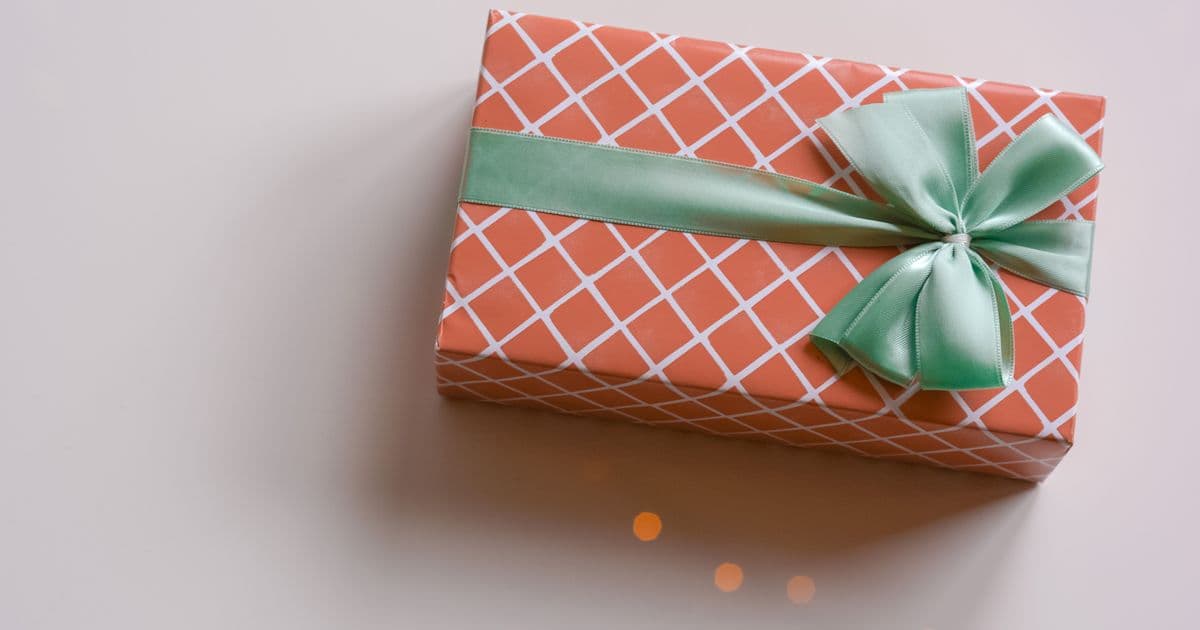
In Japan, how a gift is presented matters as much as what's inside. Gifts are wrapped meticulously and offered with both hands as a sign of respect. It's customary to politely decline a gift once before accepting — a small gesture of humility the giver then gently insists past. Major annual gifting occasions include Oseibo and Ochugen, when people show appreciation and reinforce relationships with thoughtful presents.
Germany: Practicality With a Purpose
German gift-giving leans toward usefulness and quality — kitchen gadgets, cozy blankets, and good tool sets are all common. Punctuality at celebrations is taken seriously, seen as a sign of respect. At Christmas, "Advent gifts" are a beloved tradition, with children placing shoes out on December 5th in anticipation of small treats from St. Nicholas.
India: Festivals of Color and Sweetness
Indian gift-giving is closely tied to festivals, especially Diwali — sweets, dried fruits, and small tokens are common for friends, family, and business contacts alike. Gifts are wrapped in bright, bold colors; black and white wrapping is avoided as unlucky. As in Japan, gifts are typically presented with both hands, and the emphasis stays on the relationship rather than the item's value.
China: Superstition Meets Symbolism
Red symbolizes good fortune in Chinese gift-giving, and gifts given in sets of eight are considered extra lucky. Certain items are avoided entirely — clocks, sharp objects, and shoes, all associated with separation or misfortune. Chinese New Year features traditional red envelopes containing money as a luck-bringing gesture.
Mexico: Celebrating Community
Mexican gift-giving leans into shared joy — gifts are often opened in front of the giver, turning the moment into a group celebration rather than a private one. The piñata is a distinctly fun ritual of its own, breaking open a container filled with candy and toys. Major gifting occasions include Las Posadas, Christmas, and Día de los Reyes (Three Kings' Day) on January 6th, when children find presents left in their shoes by the three wise men.
South Africa: Gifts as Tokens of Connection
Visiting someone's home in South Africa typically comes with a small gift — flowers, wine, or chocolates are common. A more distinctive tradition, Lobola, involves the groom's family presenting cattle or a monetary gift to the bride's family as a sign of respect and family unity during a wedding.
Bringing It All Together
None of these traditions need to be copied exactly to be useful — borrowing small elements (a themed wrapping color, a shared-opening moment, a festival tie-in) is an easy way to make your own gift exchange feel a little more intentional. Elfster's Secret Santa generator makes it easy to build custom rules around whatever theme you land on.
Frequently Asked Questions
What is unique about gift-giving in Japan?
Presentation matters as much as the gift itself — items are wrapped meticulously and offered with both hands. It's also customary to politely decline a gift once before accepting it, a gesture of humility that the giver then gently insists past.
What colors should be avoided when gift-wrapping for Chinese recipients?
Avoid white wrapping, which is associated with mourning. Red is considered lucky, and gifts given in sets of eight are seen as extra auspicious. Clocks, sharp objects, and shoes are traditionally avoided as gifts entirely, since they symbolize separation or misfortune.
What's a distinctive gift-giving tradition in Mexico?
The piñata — a shared, playful ritual where participants break open a container filled with candy and small toys. Gifts are also often opened in front of the giver, turning the moment into a shared celebration rather than a private one.